
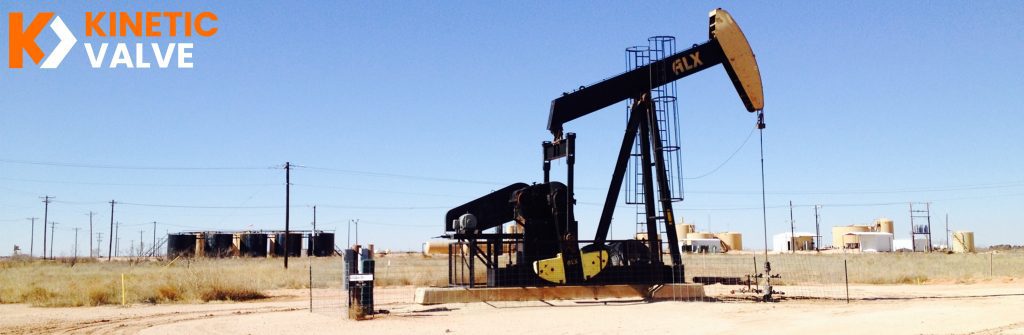
The fracking industry has revolutionized oil and gas extraction, enabling access to previously unreachable reserves. Hydraulic fracturing, or fracking, involves injecting high-pressure fluids into shale formations to release oil and gas trapped underground. This process relies on a vast network of pipelines, tanks, and equipment that must operate reliably in some of the harshest industrial environments.
One critical component in these operations is the valve actuator, which controls the flow of fluids and gases through pipelines. While pneumatic and hydraulic actuators have traditionally been used in fracking, electric valve actuators are quickly emerging as the superior choice. Offering precision, efficiency, and enhanced safety, electric actuators meet the unique challenges of fracking applications while driving cost-effective and sustainable operations.
The Role of Valve Actuators in Fracking
Valve actuators are essential for regulating the flow and pressure of fluids used in the fracking process, such as water, chemicals, and sand. They also control the movement of oil and gas once extracted. These actuators must perform reliably under extreme conditions, including high pressures, corrosive substances, and fluctuating temperatures.
In a fracking site, actuators must:
- Enable precise control of valve positions to optimize flow rates and system efficiency.
- Operate remotely in large, dispersed operations to reduce human intervention.
- Handle high cycles of operation without compromising performance or safety.
Why Electric Valve Actuators Are Ideal for Fracking
1. Precision in Fluid Control
Electric actuators provide exceptional precision in valve positioning, ensuring that the exact flow rates required for fracturing operations are achieved. This level of accuracy is critical for optimizing the injection of fluids into the shale formation, reducing waste, and improving the overall efficiency of the operation.
Modern electric actuators incorporate advanced feedback systems, enabling real-time monitoring of valve positions and flow conditions. This capability ensures smooth, continuous operations, which is vital for maintaining productivity during fracking.
2. Superior Reliability in Harsh Conditions
Fracking environments are notoriously harsh, with exposure to:
- High pressures and extreme temperatures.
- Corrosive chemicals and abrasive particulates.
- Remote locations with limited access for maintenance.
Electric valve actuators are built to withstand these conditions. Their robust design, including corrosion-resistant materials and high ingress protection (IP) ratings, ensures durability and long-term performance. Unlike pneumatic actuators, which are vulnerable to leaks, or hydraulic systems prone to fluid contamination, electric actuators offer consistent operation with minimal maintenance.
3. Energy Efficiency and Cost Savings
Energy efficiency is a key advantage of electric actuators over pneumatic and hydraulic options. Pneumatic actuators require compressed air, which is energy-intensive to produce and prone to inefficiencies due to leaks. Similarly, hydraulic systems rely on pressurized fluids, which can lead to energy loss and increased maintenance costs.
Electric actuators directly convert electrical energy into mechanical motion with minimal loss, making them significantly more efficient. For fracking operations, where numerous actuators operate simultaneously, this translates to lower energy costs and a smaller environmental footprint.
4. Automation and Remote Operation
Fracking sites are often spread over large areas, making manual valve operation impractical. Electric actuators integrate seamlessly with centralized control systems, such as SCADA (Supervisory Control and Data Acquisition), allowing operators to:
- Monitor valve positions and system performance in real time.
- Operate valves remotely, minimizing the need for on-site personnel.
- Implement automated sequences for improved process efficiency.
Automation reduces human error and increases safety by limiting personnel exposure to hazardous environments. Additionally, remote operation is invaluable in extreme weather conditions or during emergencies, ensuring uninterrupted operations.
5. Safety and Compliance
Safety is a top priority in the oil and gas industry, particularly in fracking, where the risk of explosions, leaks, and equipment failures is high. Electric valve actuators enhance safety in several ways:
- Explosion-Proof Designs: Many electric actuators are certified for hazardous locations (e.g., ATEX, IECEx, NEC standards), ensuring safe operation in environments with flammable gases or vapors.
- Fail-Safe Features: Electric actuators can include fail-safe mechanisms, such as battery backups, to automatically position valves in a safe state during power outages or system failures.
- Reduced Manual Intervention: Automation reduces the need for workers to manually operate valves in hazardous zones, minimizing exposure to risks.
6. Environmental Considerations
Fracking operations are under increasing scrutiny for their environmental impact. Electric actuators support more sustainable practices by reducing energy consumption and eliminating the risks associated with hydraulic fluid leaks or pneumatic air leaks. Their precision also minimizes the overuse of water and chemicals during fracturing, reducing waste and mitigating environmental damage.
Applications of Electric Valve Actuators in Fracking
Electric valve actuators are versatile and can be deployed across various stages of the fracking process:
- Fluid Injection: Controlling the flow of water, chemicals, and sand into the well.
- Pressure Management: Regulating valves to maintain optimal pressure levels during fracturing.
- Flowback Operations: Automating valves to manage the flow of recovered fluids and gases after fracturing.
- Transportation and Storage: Ensuring safe and efficient movement of extracted oil and gas through pipelines and into storage tanks.
The Future of Electric Actuators in Fracking
As the oil and gas industry continues to evolve, the adoption of electric valve actuators is expected to grow. Technological advancements, such as IoT connectivity and predictive maintenance capabilities, are making these actuators even more valuable for fracking applications. By enabling smarter, safer, and more efficient operations, electric actuators are poised to become the standard for valve automation in the energy sector.
Conclusion
Electric valve actuators are redefining the way valves are controlled in fracking operations. Their precision, energy efficiency, reliability, and safety make them the superior choice for this demanding industry. Whether you’re looking to improve operational efficiency, reduce environmental impact, or enhance safety, electric actuators offer a robust solution that meets the challenges of modern fracking.
Investing in high-quality electric valve actuators from a trusted supplier ensures your fracking operations stay ahead of the curve. Make the switch today and experience the benefits of electric actuators for your oil and gas projects.