
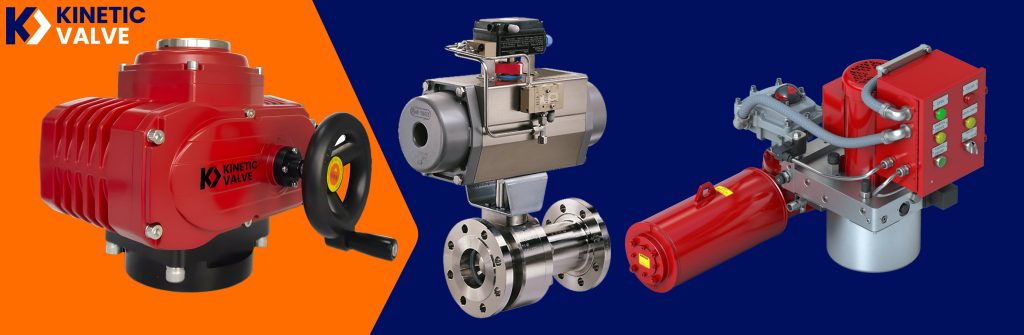
Electric valve actuators play a pivotal role in modern industrial automation, providing precision, reliability, and efficiency across various industries. These devices automate the control of valves, enabling the seamless regulation of fluids and gases in pipelines, tanks, and other systems. As industries embrace automation to improve safety, reduce costs, and enhance productivity, electric valve actuators have become indispensable.
This blog explores the key benefits of electric valve actuators, highlighting their versatility, operational advantages, and relevance in industrial processes. Whether you’re involved in oil and gas, chemical processing, or water treatment, understanding the value these actuators bring to your operations is essential.
What Are Electric Valve Actuators?
Electric valve actuators are motorized devices that control the position of valves, such as ball, butterfly, or gate valves, by converting electrical energy into mechanical motion. Unlike manual or pneumatic actuators, electric actuators offer enhanced precision and programmability, making them ideal for industries requiring high levels of automation.
These actuators can be integrated into a system’s control architecture, allowing remote operation, real-time monitoring, and advanced diagnostics. Their ability to adapt to various valve types and industrial environments makes them a versatile and future-ready solution.
The Advantages of Electric Valve Actuators
1. Precision and Accuracy
Electric valve actuators excel at providing precise control over valve positioning. With advanced feedback systems, they offer superior accuracy compared to pneumatic or hydraulic alternatives. This precision is critical for applications requiring exact flow regulation, such as chemical dosing or process control in manufacturing.
Modern electric actuators often feature stepper or servo motors, enabling fine-tuned adjustments to achieve optimal flow rates or pressure levels. This capability ensures that systems operate efficiently and consistently.
2. Enhanced Automation
Electric actuators are easily integrated into centralized control systems, making them ideal for industries aiming to automate operations. By connecting to SCADA (Supervisory Control and Data Acquisition) or DCS (Distributed Control Systems), electric actuators enable operators to monitor and control valves remotely.
This level of automation reduces the need for manual intervention, leading to:
- Lower labor costs.
- Minimized human error.
- Increased safety in hazardous or hard-to-access environments.
3. Energy Efficiency
Compared to pneumatic actuators, which rely on compressed air, electric actuators are more energy-efficient. Pneumatic systems often experience energy losses due to air leakage or inefficiencies in generating compressed air. Electric actuators, on the other hand, directly convert electrical energy into mechanical motion with minimal loss.
Their efficient operation translates into reduced energy consumption and lower operating costs over the long term, making them an environmentally friendly option for industries aiming to reduce their carbon footprint.
4. Safety and Reliability
Electric valve actuators offer significant safety advantages, particularly in hazardous or remote locations. For example:
- Fail-Safe Options: Many electric actuators include fail-safe features, such as battery backup systems or spring-return mechanisms, which automatically position the valve in a safe state during power outages.
- Explosion-Proof Designs: For hazardous environments, electric actuators are available with explosion-proof enclosures that meet industry standards such as ATEX or IECEx, ensuring safe operation in flammable atmospheres.
These features enhance operational reliability, reduce downtime, and mitigate risks associated with industrial processes.
5. Easy Installation and Maintenance
Electric actuators are straightforward to install and maintain. Unlike pneumatic systems, they do not require an extensive network of air lines or compressors, simplifying the setup process. Additionally, their modular design allows for easy upgrades or repairs.
Maintenance is minimal, as electric actuators have fewer moving parts than hydraulic or pneumatic systems. Many models include self-diagnostic capabilities that alert operators to potential issues, enabling proactive maintenance and reducing unexpected failures.
6. Scalability and Versatility
One of the standout benefits of electric valve actuators is their scalability. They can be configured to meet the needs of small, standalone systems or large-scale industrial networks. Their versatility extends to a wide range of applications, including:
- Oil and Gas: Regulating flow in pipelines and storage tanks.
- Water Treatment: Controlling valves in filtration and distribution systems.
- Power Generation: Managing cooling systems and fuel delivery.
- Pharmaceuticals: Ensuring precise control during chemical processing.
Electric actuators are also compatible with various valve types, materials, and sizes, making them adaptable to diverse industrial requirements.
Why Industries Are Shifting to Electric Actuators
The adoption of electric valve actuators is growing across industries, driven by advancements in technology and the increasing demand for automation. Some key drivers include:
1. Digital Transformation
The rise of Industry 4.0 has encouraged industries to adopt smart, interconnected systems. Electric actuators align with this trend, offering digital interfaces, IoT connectivity, and advanced analytics capabilities that support predictive maintenance and data-driven decision-making.
2. Regulatory Compliance
Strict environmental and safety regulations are pushing industries to adopt cleaner and safer technologies. Electric actuators, with their energy efficiency and compliance with hazardous location standards, help businesses meet these requirements.
3. Cost-Effectiveness
While electric actuators may have a higher upfront cost than pneumatic or manual alternatives, their long-term benefits—reduced energy consumption, lower maintenance requirements, and improved system efficiency—make them a cost-effective choice over time.
Comparing Electric Actuators to Other Options
When evaluating valve actuators, it’s essential to consider how electric actuators compare to pneumatic and hydraulic systems.
| Feature | Electric Actuators | Pneumatic Actuators | Hydraulic Actuators |
| Energy Efficiency | High | Medium (losses from leaks) | Low (requires fluid pressure) |
| Precision | High | Medium | High |
| Maintenance | Low | Medium (air leaks) | High (fluid leakage) |
| Integration | Easy with digital systems | Limited | Limited |
| Cost | Higher upfront, lower lifetime | Lower upfront | High |
Electric actuators stand out as a balanced solution, offering a mix of precision, reliability, and scalability for most industrial applications.
How to Choose the Right Electric Valve Actuator
Selecting the right electric valve actuator depends on several factors:
- Application Requirements: Consider the type of valve, fluid or gas being controlled, and operational environment.
- Power and Torque Needs: Ensure the actuator can handle the required torque and force for your specific valve.
- Certifications: For hazardous locations, look for actuators with appropriate certifications (e.g., ATEX, NEC, IECEx).
- Control Options: Determine whether you need basic open/close functionality or advanced control features like modulation and feedback.
- Environmental Suitability: Check for ingress protection (IP) ratings and temperature range compatibility.
Conclusion
Electric valve actuators are transforming industrial operations with their precision, energy efficiency, and adaptability. From reducing energy costs to enhancing automation, these actuators offer significant benefits across a range of industries.
As the industrial landscape evolves, the shift toward smarter, safer, and more efficient systems makes electric actuators a critical component of modern process control. By investing in the right electric valve actuators for your applications, you can improve operational efficiency, ensure safety, and future-proof your systems.
If you’re considering electric valve actuators for your operations, working with a trusted supplier ensures you get high-quality, certified products that meet your specific needs. Optimize your system’s performance today with the right actuator solutions.