
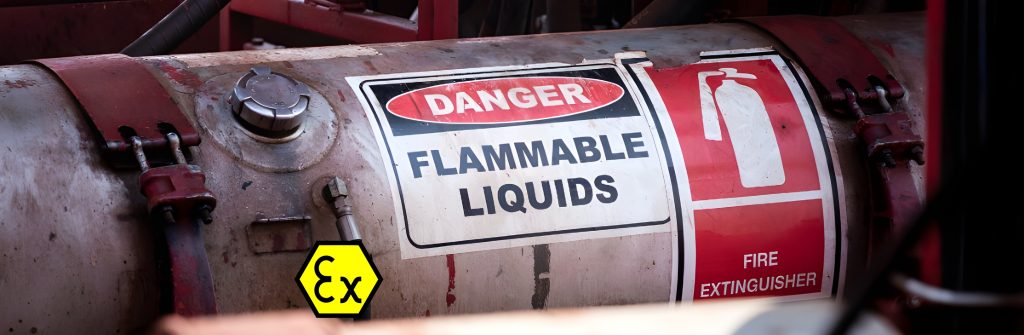
In industrial environments, safety and reliability are paramount, especially when dealing with equipment used in hazardous locations. These are areas where explosive gases, flammable dust, or volatile vapors create a high risk of ignition. Electric valve actuators, widely used in process automation and fluid control, must meet stringent safety standards to operate effectively and prevent catastrophic incidents. For industries reliant on explosion-proof electric valve actuators, understanding hazardous location ratings is crucial for selecting the right equipment and maintaining compliance with safety regulations.
This blog dives into hazardous location ratings, their significance, and how they apply to electric valve actuators. By understanding these ratings, you can make informed decisions when choosing explosion-proof actuators for critical applications.
What Are Hazardous Locations?
Hazardous locations (HazLocs) are defined by the presence of flammable or explosive substances that could ignite under normal or abnormal conditions. Common industries with hazardous locations include:
- Oil and Gas: Refineries, drilling rigs, and pipelines often handle explosive gases like methane and propane.
- Chemical Processing: Facilities process volatile chemicals that can emit flammable vapors.
- Pharmaceuticals: Fine dust particles can create explosive atmospheres during production.
- Food Processing: Grain silos, sugar mills, and similar environments are prone to combustible dust explosions.
In these environments, even minor electrical sparks or high surface temperatures from industrial equipment can trigger a devastating explosion. Electric valve actuators, which automate the opening and closing of valves, must therefore be designed to prevent such ignition risks.
Hazardous Location Classification Systems
Several international standards and classification systems exist to categorize hazardous locations. These systems ensure uniformity in identifying risk levels and specifying the necessary safety measures. The two most widely recognized classification frameworks are:
1. The National Electrical Code (NEC): Classes, Divisions, and Groups
In North America, hazardous locations are classified by the NEC (published by the NFPA) into Classes, Divisions, and Groups:
- Classes indicate the type of hazardous substance:
- Class I: Flammable gases or vapors (e.g., in oil refineries).
- Class II: Combustible dust (e.g., in grain silos).
- Class III: Ignitable fibers or flyings (e.g., in textile mills).
- Divisions specify the frequency of the hazard:
- Division 1: The hazard is present under normal operating conditions.
- Division 2: The hazard is present only under abnormal conditions.
- Groups categorize specific substances based on their ignition characteristics:
- Group A: Acetylene
- Group B: Hydrogen
- Group C: Ethylene
- Group D: Propane
- Groups E, F, G cover different types of combustible dust and fibers.
2. The IECEx and ATEX Systems
Outside North America, hazardous locations are classified under the IECEx (International Electrotechnical Commission Explosive) or ATEX (European Union Directives):
- Zones replace Classes and Divisions:
- Zone 0: Explosive atmosphere is present continuously or for long periods.
- Zone 1: Explosive atmosphere is likely during normal operation.
- Zone 2: Explosive atmosphere is unlikely but may occur briefly.
- Gas and Dust Groups align substances by their properties (e.g., IIA, IIB, IIC for gases).
- Temperature Classes (T1–T6) define maximum surface temperatures allowed for equipment to prevent ignition.
Explosion-Proof vs. Intrinsically Safe Actuators
When choosing electric valve actuators for hazardous locations, the terms “explosion-proof” and “intrinsically safe” often arise. Both address ignition prevention but differ in their approach:
Explosion-Proof Actuators
Explosion-proof actuators are designed with heavy-duty enclosures that contain any internal explosion, preventing it from igniting the surrounding atmosphere. Key features include:
- Robust casings made of materials like cast aluminum or stainless steel.
- Sealed enclosures to prevent the ingress of gases, vapors, or dust.
- Certification to meet NEC or ATEX standards.
Explosion-proof actuators are ideal for Zone 1/Division 1 areas where hazardous atmospheres are frequently present.
Intrinsically Safe Actuators
Intrinsically safe actuators operate on low energy levels, ensuring they cannot produce sufficient heat or sparks to ignite an explosive atmosphere. They are typically used in Zone 0 environments or Division 1 locations where safety is of utmost importance.
Hazardous Location Ratings for Electric Valve Actuators
Electric valve actuators are critical for controlling fluid flow in hazardous environments, and their compliance with HazLoc ratings ensures safety and operational efficiency. The key factors to consider when selecting an actuator include:
1. Environmental Suitability
- Ensure the actuator is rated for the specific Class, Division, or Zone of the application.
- Check compatibility with the hazardous substances (Group A, B, C, etc.).
2. Temperature Ratings
- Actuators should meet the appropriate temperature class (T1–T6) to ensure they do not exceed the ignition temperature of nearby substances.
3. Ingress Protection (IP) Ratings
- Look for actuators with high IP ratings (e.g., IP66 or IP68) to ensure resistance to dust and water ingress.
4. Certification and Compliance
- Verify certifications such as CSA, UL, ATEX or IECEx listings to ensure global or regional compliance.
Benefits of Explosion-Proof Electric Valve Actuators
Explosion-proof electric valve actuators offer significant advantages in hazardous environments:
1. Enhanced Safety
By preventing ignition risks, explosion-proof actuators safeguard workers, facilities, and assets.
2. Compliance with Regulations
Meeting HazLoc standards helps avoid costly fines, operational shutdowns, and legal liabilities.
3. Reliability in Harsh Conditions
Explosion-proof designs often include corrosion-resistant materials and robust construction, ensuring durability in extreme environments.
4. Automation and Precision
Electric actuators enable precise control of valves, improving process efficiency and reducing human intervention in hazardous zones.
Key Applications of Explosion-Proof Electric Valve Actuators
Explosion-proof actuators are indispensable in industries such as:
- Oil and Gas: Managing pipelines, storage tanks, and refineries.
- Chemical Manufacturing: Controlling reactive substances safely.
- Pharmaceuticals: Automating fluid handling in dust-prone environments.
- Power Generation: Handling hazardous gases in power plants.
Choosing the Right Supplier for Explosion-Proof Actuators
Selecting a trusted supplier for explosion-proof electric valve actuators is essential for ensuring quality and compliance. Key considerations include:
- Expertise: Look for suppliers with deep knowledge of HazLoc standards and applications.
- Certifications: Ensure the products carry necessary certifications (e.g., CSA, UL).
- Customization: Partner with a supplier offering tailored solutions for specific requirements.
- Support: Reliable technical support and after-sales service are crucial.
Conclusion
Understanding hazardous location ratings is fundamental when selecting electric valve actuators for explosive environments. By ensuring compliance with NEC, CSA, UL, IECEx, or ATEX standards, businesses can enhance safety, meet regulatory requirements, and optimize their operations. Explosion-proof actuators, with their robust design and safety features, provide an effective solution for controlling fluid flow in high-risk areas.
If your business operates in hazardous locations, investing in certified explosion-proof electric valve actuators is a proactive step toward safeguarding your operations. Partner with a reputable supplier such as Kinetic Valve to ensure your equipment meets the highest standards of safety and reliability. Contact us if you have any further questions.